Leftover Pheasant … with a Shiraz from Western Australia

Pairing:  Pheasant and Wild Mushrooms paired with 2011 Frankland Estate Rocky Gully Shiraz

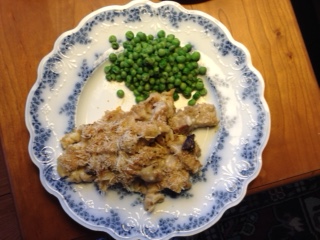
Food:  It’s nearing the dining time. Well … time to dive into the freezer to see what delectable leftovers we can uncover. Ah … some leftover roast pheasant (doesn’t everyone have that buried in their freezer?) and a bag of assorted wild mushrooms gathered late last summer  (chanterelles, fairy ring mushrooms, meadow mushrooms). Yum … surely there is something to be done with such special ingredients. Sauté the thawed, partially cooked mushrooms in some butter, add a little red wine (the wine we are drinking, of course) and brown stock/ sauce/ gravy. Cook down until the desired consistency. Warm the boneless pieces of the pheasant in the sauce, season with salt and pepper, and pour it all over some noodles. Perfect!  Wine?  Hmmm …

Leftover Pheasant over Noodles

Wine:  When we think of Shiraz, our thoughts frequently go to Australia … often to the Barossa Valley region of South Australia. But … not today. We’re going to travel further west on that beautiful continent, about a thousand miles, to the appropriately named Western Australia. Those clever Aussies! Clever indeed to grow their beloved Shiraz grapes in a wine region known more for Chardonnay, Cabernet Sauvignon and Riesling. The Frankland Estate winery is located near the Frankland River about 50 miles inland from the ocean, giving a Mediterranean-type climate to the area. The making of their Rocky Gully Shiraz follows the principles born in the Northern Rhone region of France, where winemakers add a teeny bit (about 5%) of white Viognier wine to the red Syrah (what they call Shiraz) to make their renowned Hermitage wine. So, Rocky Gully tastes a lot like Hermitage, but way less inexpensive (about $15).

Rocky Gully Shuraz

Tasting Notes:  You’re standing by the stove making a black currant/ black cherry jam. The kitchen takes on the aromas of the cooking  jam. That’s the nose of this deep, dark reddish-purple wine. Dip a spoon into the cooling jam and taste it. That black currant and black cherry jam is the dominant flavor you get on the palate … along with a touch of pepper. What a nice warm sensation you get in your mouth as you sip this wine. And what a nice lingering finish … delicious!

Other Food that Pairs Well with This Shiraz:  Venison, Duck, Mushrooms, Grilled Sausage, Barbecue Ribs

Other Wine that Pairs Well with Pheasant: Red Bordeaux (Saint-Émilion), Red Burgundy, Pinot Noir (Oregon), Chardonnay (big and oaky from California), Barolo

Read About:  http://www.wine-searcher.com/regions-frankland+river

A Source:  www.wine.com


It’s Mardi Gras … time for a spicy, meaty Jambalaya paired with a cool,crisp SB

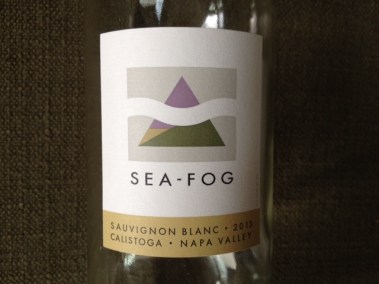
Pairing:  Jambalaya and 2013 Sea Fog Sauvignon Blanc from the Napa Valley

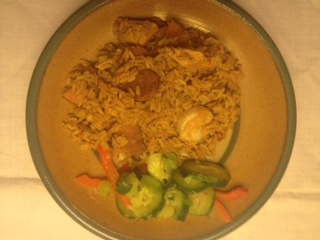
Food:  Mardi Gras in New Orleans is a really big deal … parades, floats, costumes, revelry … and food (and drink!) and lots (excess?) of it! This “Carnival” is celebrated in places throughout the world and held on the day before the start of the liturgical season Lent leading up to Easter. Lent is a time observed, in part, by fasting and denying oneself of favorite foods and beverages. So, Mardi Gras/ Carnival is a last chance to consume such favorites, including meat. Jambalaya is one of the most common food traditions during Mardi Gras. Basically it is rice and vegetables flavored with Cajun spices with one or more meats added to it, usually some combination of chicken, ham, andouille sausage, and shrimp. We use all four (gotta get that meat in before Lent!).

jambalaya

Wine:  When one is talking about the Napa Valley wine region just north of San Francisco Bay, the topic is usually the famed Cabernet Sauvignon. And rightfully so … the Cabs here are often the benchmark for the world’s most popular red wine. But, Napa is a great place for growing other wine grapes. Sauvignon Blanc is one of those varieties that often gets overlooked among the vast expanse of Cabernet Sauvignon vineyards. Sea-Fog Sauvignon Blanc is made by The Grade Cellars in the Calistoga district in the northern part of Napa. Calistoga is noted for, among other things, its hot springs and spas.

sea-fog-sauvignon-blanc

Tasting Notes:  OK … imagine yourself on a breezy day in June, out by the clothesline with the dry sheets billowing in the breeze. Your nose presses up against the sheets as you take them down off the line … and a clean, fresh smell caresses your senses. Nearby, the honeysuckle is in full bloom and you get the lovely honey-scented fragrance of them on the breeze. That’s the best way to describe the nose of this utterly delightful golden yellow wine. The palate extends these clean, crisp qualities added to the gentle flavors of green melon and white flowers. These clean, fresh tastes are a perfect foil to the spicy Jambalaya. Wonderful pairing, but this wine is great, too, all by itself.

Other Wines That Pair Well with Jambalaya:  Pinot Grigio (Italy), Albarino (Spain), Sancerre (France), Chenin Blanc (South Africa)

Other Foods That Pair Well with Sauvignon Blanc:  Fried Chicken, Grilled Shellfish, Raw Oysters, Raw Tomatoes (to name just a few foods that go well with this food-friendly wine)

Read About:  https://napavintners.com

A Source:  www.wine.com

Chicken and Morels paired with a German Pinot Noir

Pairing:  Chicken and Morels paired with a 2012 Burkheimer Winzer Schlossgarten Spätburgunder Rotwein

Food:  This is a fast, simple, but delicious meal to create. Dredge some boneless chicken breasts in some flour seasoned with salt and pepper, dusting off the excess. In some butter, sauté some minced shallot until just slightly browned. Turn up the heat a bit and add the chicken breasts to the pan and sauté until nicely browned and just cooked through. Remove from the pan (keep warm in a low oven), deglaze the pan with a glass of white wine (saving a few swallows for the chef). Reduce the liquid until most has evaporated, then add the halved morels (or any other mushroom you enjoy). Turn the heat down and cook until mushrooms are just done. Add a few Tbs of cream, heat through and adjust for seasoning. Melt a pat of butter and spoon the finished sauce over the chicken and any accompanying rice or pasta.

chicken-and-morels

Wine:  When one thinks of German wine, one immediately thinks white wine … and the white wine is Riesling. Germany produces arguably the finest Rieslings in the world in its famed Mosel wine region. However, Germany also produces some fine red wines, notably Pinot Noir. Baden, located in the southwestern corner of Germany not far from both the French and Swiss borders, is known for its red wines particularly Spätburgunder (Pinot Noir). Pinot Noir is the most widely planted grape in the Baden region and Baden is the third largest wine-growing in all of Germany.

burkheimer-pinot-noir

Tasting Notes:  A pale red, transparent wine, almost the color of a rosé. Aromas of sweet red cherries, with some subtle hints of earth and leather. On the palate, one gets a delicate flavor of cherry cola (yes, this is a desirable trait in many delicious Pinot Noirs). Layers of red cherry and fresh earth are also present. In a blind tasting, I’d guess this wine to be a New Zealand or California pinot due to its prominent flavors of ripe fruit (“fruit forward”). Of course, I’d be wrong! The point is that this German Pinot Noir tastes much more like a New World wine rather than the more nuanced flavors of an Old World wine one might expect from a German wine. The morels in the dish bring out the subtle earthiness in the wine.

Other Wines That Pair Well with This Food: Pinot Noir from New Zealand and California, Chardonnay, Red and White Burgundy.

Other Food That Pairs Well with This Wine: Game, Mushrooms, Roast Turkey, Pork

Read About:  http://www.wine-searcher.com/regions-baden

A Sourcehttp://www.weine-burkheim.de/index.php/rotwein/spatburgunder.html

Remembering Perigord … Drinking Cahors

Pairing:  Périgordian Cuisine and 2011 Clos La Coutale Cahors.

Food: Twenty years ago we were fortunate to celebrate our 25th wedding anniversary in the Périgord region of southwestern France. While there we enjoyed a memorable dinner at a tiny bistro called Chez Tarrade. Arguably one of our best meals ever … multiple courses; delightful chats with Madame, the seventy-year old chef; an unnamed local red wine that went with everything… heavenly. This is our attempt to recreate that amazing dinner. We’ll take it course by course. Then select a wine to go with all of it.

For the first course, Madame served Pâté de Fois Gras with Truffles, accompanied by Pain de Maïs (a baguette made with corn). For our version, we had Chicken Liver Pâté made with chicken livers, onion, garlic, cognac, heavy cream, nutmeg, thyme, salt & pepper.

madame-pate-with-pain-mais

The second course was a cêpe omelette. Madame used fresh cêpe mushrooms. We made our omelette with dried porcini mushrooms.

madame-cepe-omelette

The main course at Madame’s was a simple 1/2 inch thick pan-seared Bistro Steak served with Potatoes Sarlat (Our version consisted of thinly sliced potatoes, each slice dipped in melted duck fat, seasoned with salt, pepper, and garlic. Then stacked the slices in three-layer piles in a heavy saucepan and baked at 450F for about 20 minutes.) For a perfect medium rare steak, cook on a hot grill pan, hum the first verse of The Marseilles, then flip the steak and hum it again. I’m serious. No need for a timer!

madame-bistro-steak-and-potatoes

The steak and potatoes were followed by a simple salad and a plate of assorted cheeses.

And, finally, for dessert we enjoyed homemade Neapolitan Ice Cream (a block of raspberry, pistachio, and chocolate with chocolate chunks).

madame-neopolitan

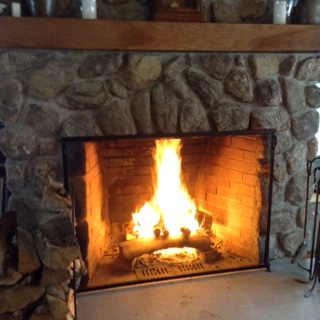
To complete the illusion of dining at Chez Tarrade and capture some of the ambience of this charming bistro, we ate at a table in front of our own fireplace. Very special!

fire-in-fireplace

Wine:  Cahors is a small wine-growing area that surrounds the city of Cahors located on the Lot River in southwestern France a little ways south of the Périgord region. Here, Malbec is by far and away the mostly commonly grown grape. Many people will immediately associate Malbec with Argentina where it is widely planted. However, it is this lovely little corner of France that is the birthplace of Cot which is the original name for Malbec. Wine-making in this locale dates back to Ancient Roman times. This wine from the Clos La Coutale winery is 80% Malbec and 20% Merlot.

cahors

Tasting Notes:  The predominance of Malbec (80%) in this Cahors wine produces an extraordinarily deep dark red, almost black, color. (Note:  Tiny amounts of Malbec are often added to Red Bordeaux wines to darken them.) On the nose, one enjoys blackberry and earth. The palate is a big, robust, complex melding of blackberry fruit leather, tobacco, earth, and hints of licorice and chocolate. The earth notes in particular go beautifully with the pâté, the mushrooms, the beef, and even the chocolate components of the dessert. Amazing how one wine can pair so nicely with a multi-course meal such as this one.

Other Foods That Pair Well with This Wine: Cassoulet, Roast Duck, Duck Confit, Mushrooms, Roast Lamb

Other Wines That Pair Well with This Meal: Bergerac, Red Bordeaux, Tempranillo, Côte du Roussillon

Read About:  http://www.wine-searcher.com/regions-cahors

A Source:  www.klwines.com  or Whole Foods Market


Pasta Rustica with Primitivo (Italian Zinfandel)

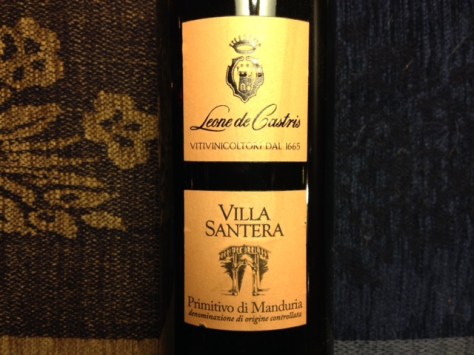
Pairing: Pasta Rustica with 2009 Leone de Castris Primitivo di Mandoria Villa Santera

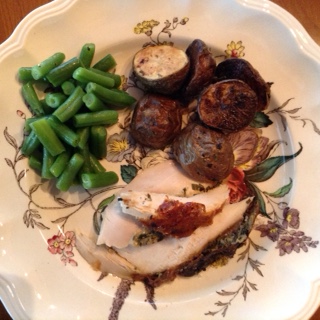
Food: Pasta Rustica is a favorite meal of ours that we enjoy frequently (on Wednesdays … of course!). It is made with turkey or chicken sausage, canned tomatoes, herbs, and three cheeses … ricotta, fontina (or mozzarella), and Parmigiano-Reggiano. A link to the recipe can be found here. Although the recipe calls for penne, almost any shaped pasta can be used. We prefer tortiglioni. Our dish is accompanied by toasted olive bread and Italian green beans.

pasta-rustica

Wine:  The vineyards of the Leone de Castris winery are found near the tiny village of Salice Salentino on the Salento Peninsula in Puglia, the southernmost wine region in Italy. Think of the “heel of the boot” when looking at a map of Italy. Savvy travelers know this to be among the prettiest coastal areas in all of Italy and not nearly as touristy as other more well known regions of the country. The Primitivo grape is widely planted across Puglia. Fairly recent DNA testing has revealed that Primitivo and Zinfandel (grown widely in California) are genetically the same, both grapes tracing their origin to the Crljenak Kastelanski, an ancient Croatian variety. We like to think of Primitivo wine as Zinfandel with “elbows” (our own term), a desirable roughness found in many Italian wines.

primitivo-di-manduria

Tasting:  This full-bodied wine is a deep reddish purple color. The nose is rich in blueberry and cherry notes. On the palate, flavors of dark fruit, cinnamon and cloves are present. There is an overall gentle sweetness to this dry wine that goes well with the sweet tomato sauce and cheeses used to make the Pasta Rustica.

Other Wines That Pair Well with This Food:  Chianti Classico, Barbera d’Alba or d’Asti, Valpolicella

Other Food That Pairs Well with This Wine:  Aged Cheeses, Grilled Chicken, Sausage, Pasta with Spicy Tomato Sauce

Read About:  www.winesofpuglia.com/index.php/en/dop-en/462-primitivo-di-manduria

A Source:  www.wine.com


Tuscan Roast Chicken paired with a Super (Duper!) Tuscan Red Wine

Pairing:  Tuscan Roast Chicken with 2008 Arcanum Valadorna Toscana

Food:  Most of the time, we plan out what we want to eat over the course of a week, then decide which wine in our inventory would make for a good pairing. Occasionally, however, we start with a wine that we have been looking forward to drinking and construct a dinner that we think will showcase the wine particularly well. The Arcanum Valadorna has been sleeping quietly in our cellar for a few years. It seemed that now might be a good time to enjoy it. Knowing that the wine is from Tuscany, we looked for flavors that help define that local cuisine. Chicken is a good canvas to work with, especially a home-grown hen.  Rosemary, garlic, olive oil, and lemon all are staple ingredients in a Tuscan kitchen. So we made a paste using a generous amount of chopped fresh rosemary (about 3T), garlic (4 cloves), olive oil, salt and pepper. Tucked some of the paste under the skin of the breast and thighs, and rubbed the rest all over the outside of the chicken and sprinkled it with some additional salt and pepper. We then stuffed the cavity with four sprigs of fresh rosemary and a quartered lemon (squeeze each quarter a little bit before putting each in). Roast at 425F for an hour (check after 45 minutes and bast with some of the juices). Let stand for about 15 minutes while you make a simple sauce with the pan juices, a bit of wine, and a little butter. Mind-blowing how good the chicken is prepared this way!

tuscan-roast-chickenjpg

Wine:  Speaking of mind-blowing, we now come to the Arcanum Valadorna.  It could be said that this wine defines a Super Tuscan, or at the very least is a wonderful exemplar. 85% Merlot and 15% Cabernet Franc, both key components of French Bordeaux, which the Italians are showcasing in a Super Tuscan. Some Tuscan winemakers would say that they are showing up the French by beating them at their own game (but I’m not going to go there!). Arcanum’s vineyards are located in the southeast corner of the Chianti Classico wine region, bordering the ancient town of San Gusmé not far from the city of Siena. The Arcanum website linked below showcases the stunning estate, vineyards, wines, and region.

valadorna-super-tuscan

Tasting:  Wow … where to begin. First note that this wine benefits from decanting about 1.5 hours before the meal. Medium to dark ruby in color. One gets leather, black currant, chocolate and coffee on the nose. The palate presents flavors of sweet red cherries, red currants, rich earth, and spices. The extraordinary depth and layers of flavors are what stand out in this wine. One can almost sense the rosemary from the chicken on the finish. Anyone who has been to Tuscany surely catches the overwhelming smell of rosemary in the air. Hedges of this herb are everywhere … an important part of the terroir. This is a very special wine … perhaps to be served on a very special occasion. One of the best wines we have tasted.

Other Foods That Pair Well with This Wine: Grilled Meats (especially Steak), Roast Lamb, Roast Pork, Pasta with Meat Sauce

Other Wines That Pair Well with This Food: Chianti Classico, Brunello, Montepulciano d’Abruzzo, Red Bordeaux (especially Saint-Émillion)

Read About:  http://www.arcanumwine.com

A Source:  www.wine.com

Rumbledethumps (?!)… with White Hungarian Wine

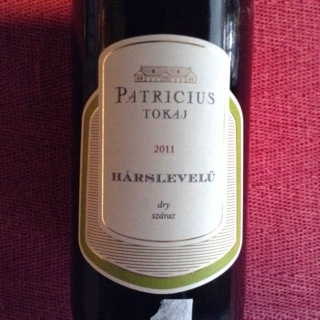
Pairing:  Rumbledethumps Paired with 2011 Patricius Tokaj Hárslevelü

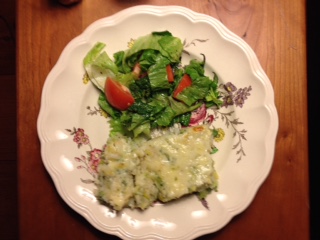
Food:  Rumbledethumps … sounds like something used on roads to slow cars down! But, no … it’s an old Scottish dish similar to Irish “Colcannon” or English “Bubble and Squeak”.  Indeed there are many, many variations of this dish that originated among the peasantry of northern Europe. The potato is the star here … mashed … with steamed cabbage, broccoli, and leeks mixed into the potatoes in a casserole dish, topped with melted cheddar cheese. Our recipe is from the cookbook, Sundays at Moosewood Restaurant, a renowned  vegetarian eatery in Ithaca, New York. The recipe can be found here. According to legend, after taking your first bite together as a family, everyone shouts “Death to the Red Hag!” driving away the specter of starvation.

rumbledeethumps

Wine:  This wine is made up of 100%  Hárslevelü, the grape used in making the famed Hungarian sweet wine, Tokaj. It is been grown in this part of the world for many hundreds of years. This dry white wine is made by the Patricius Winery located in the wine region of Tokaj-Hegyalja in northeastern Hungary and parts of Slovakia. Tokaj was declared a World Heritage Site in 2002 because it is the locale where the first botrytized wine (Noble Rot) was ever made in the early 1700’s. The dry version of this wine made by Patricius is a most enjoyable sipping and pairing wine.

hungarian-white

Tasting:  A pale greenish yellow color. A gentle, delicate wine with a light fragrance of lemon and melon. On the palate one gets green melon, diluted lemon, and hints of green apple. The cabbage and broccoli in this dish make it a somewhat difficult food to pair with wine. But this relatively unknown wine (at least to those of us who live outside the countries of Eastern Europe) does a very nice job as an accompaniment to the Rumbledethumps.

Other Food That Pairs Well with This Wine:  Assorted Soft Cheeses, White Fish, Grilled Trout, Assorted Vegetables

Other Wines That Pair Well with This Food:  Chenin Blanc, Sauvignon Blanc, Gruner Veltliner, Gewürztraminer, Dry Riesling

Read About:  http://www.patriciustokaj.com/tokajiwines

A Source:  www.bluedanubewine.com

Shepherd’s Pie (or Cottage Pie) Paired with a Tuscan Red

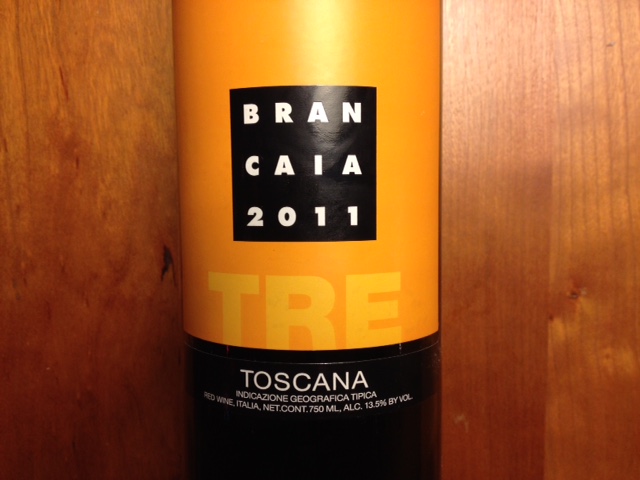
Pairing:  Shepherd’s Pie/ Cottage Pie Paired with 2011 Brancaia Tre

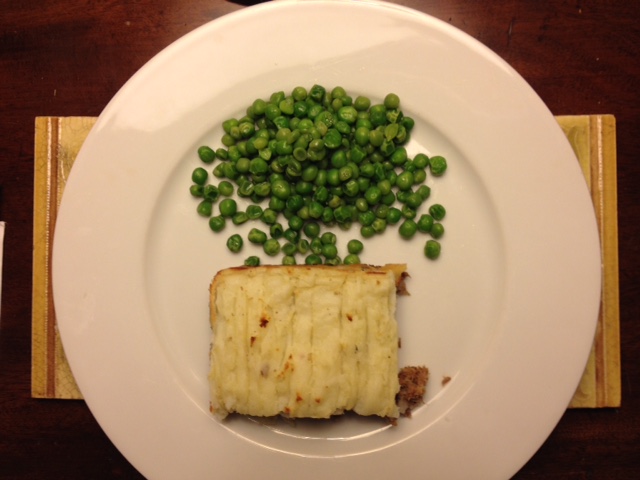
Food:  A traditional English dish that dates back to the late 18th century when the potato started becoming a more widely planted staple food. Farm families would stretch their meat diet by taking leftover roast lamb or beef, mincing or grinding it, and putting into a casserole with a topping made of mashed potatoes. It’s usually called Shepherd’s Pie when made with lamb and Cottage Pie when made with beef. Most people just call it Shepherd’s Pie no matter the meat.  For this dish, we used leftover roast beef from Christmas combined with leftover brown or mushroom gravy, and topped with leftover mashed potatoes. Doesn’t get any simpler than that!

shepherds-pie

Wine:  A blended red wine made of 80% Sangiovese and 20% Cabernet Sauvignon and Merlot. Although the La Brancaia winery is located in the heart of the Chianti Classico region just outside of Florence, the presence of Cabernet Sauvignon and Merlot in the blend does not conform to the requirements to be called Chianti. Hence its classification as a IGT (Indicazione Geographica Tipica) instead of DOC. See http://www.thekitchn.com/whats-the-difference-docg-doc-60449 for an explanation of these designations.

tre-super-tuscan

Tasting:  A deep dark red with a nose dominated by a clean, earthy smell, along with some plum and cedar. Leather, earth, cedar, and black fruits are all identifiable on the palate. If they made fruit leather out of the berries found in a hedge row, it would taste like this wine. Some dusty tannins and light acidity round out the flavor profile. Very nice and pairs very well with the rustic flavors of the Shepherd’s Pie.

Other Wines That Pair Well with This Food: Cabernet Sauvignon, Syrah, Zinfandel, Beaujolais

Other Food That Pairs Well with This Wine: Pasta with Tomato Sauce, Pizza, Hamburgers

Read About:  https://www.chianti.com/chianti-map/

A Source:  www.wine.com

Halibut and Chickpea Ragout with a Spanish White Verdejo

Pairing: Halibut and Chickpea Ragout paired with 2013 Finca Las Caraballas Verdejo White Wine

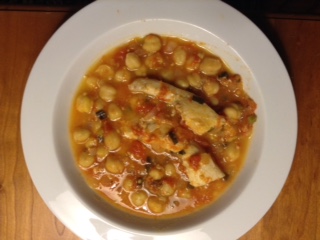
Food:  Full disclosure … halibut is a very stressed fishery and we are very careful from whom we get it. We buy a whole fish (30-40 lbs) directly from a fisherman just down the road from us on Prince Edward Island. This lasts us a full year in the freezer, after sharing some of it with neighbors. PEI manages the halibut fishery very tightly allowing fishermen only a couple of days a year to fish for halibut, and for a very limited catch by weight. With that said, this dish would work fine with other more available white fish. The ragout is simply made with stock, canned garbanzo beans (chickpeas), onion, shallot, garlic, tomato, and herbs. The fish is poached directly in the ragout for an easy one-pot meal. Oh … and did I mention it’s really low in calories?

halibt-and-chickpea-ragout

Wine: Verdejo is widely regarded as Spain’s finest white wine, and is grown extensively in the Rueda region of the high altitude country northeast of Madrid. It has been grown there for over a thousand years and is believed to have been brought from North Africa by the Moors.  A very drinkable wine that pairs well with many different foods, especially seafood.  And … very affordable at less than $15. Enjoy!

caraballas-verajelo

Tasting:  Medium yellow in color. Green apple on the nose. A bracing, clean acidity with flavors of green apple and white flowers. Just a hint of grapefruit to make it even more interesting. Does a nice job complementing the flavors of the ragout.

Other Foods That Pair Well with This Wine: Pasta with Pesto, Crab Cakes, Salad, White Fish, Spicy Dishes (e.g., Jambalaya)

Other Wines That Pair Well with This Food: Albarino (Spain), White Bordeaux (France), Sauvignon Blanc (US), Verdicchio (Italy), Vinho Verde (Portugal)

Read About:  http://www.bbr.com/grape-vj-verdejo  

http://www.intowine.com/verdejo-spain’s-signature-white-grape

A Source: www.wine.com

Croatian Wine with Fish Cakes

Pairing:  Homemade Fish Cakes with 2009 Coronica Gran Malvasia Istria Croatia

Food: These fish cakes are from a recipe in The Legal Sea Foods Cookbook. Here is a link to the recipe. For those readers who may not know, Legal Seafoods is a highly regarded Boston institution that started as a fish market in the early 1950’s, then a restaurant in the mid 60’s. There are now dozens of branches all over the Boston area and elsewhere. We encourage you to eat there if you are in the area. They also have a terrific wine list. One of our favorite things to have with the fish cakes (or indeed with any white fish) is pickled beets. My wife puts up several jars of them every summer. Relishes of most any sort are also wonderful with the fish cakes.

fishcakes

Wine: The Istrian Peninsula is located due east across the Mediterranean Sea from Venice. The peninsula is actually part of three countries — Italy (just south of the city of Trieste), Slovenia, and Croatia. The Coronica winery is located in the sparsely populated, beautiful hilly countryside of the Croatian part of Istria near Umag. Many different varieties of the Malvasia grape are grown throughout the Mediterranean from Greece to Portugal. The local clone of Malvasia grown by Coronica is Malvazija Istarska.

croatian-wine

Tasting: This is a very special wine. A lovely golden color. Apple blossoms and honeysuckle on the nose. A very delicate sweetness is present, but is still very much a dry white wine. Tastes on the palate are mostly ripe melon notably cantaloupe, with blended tropical fruits on the flavor landscape. And, a touch of pepper and allspice on the finish. A delightful wine from a beautiful part of the world.

Other Wines that Pair Well with This Food: Albarino (Spain), Chenin Blanc, Grüner Veltliner (Austria), Vouvray (Loire, France), Soave (Italy)

Other Food that Pairs Well with this Wine: White Fish, Shellfish, Pasta with Light Cream Sauce

Read About:  http://www.jancisrobinson.com/learn/grape-varieties/white/malvasia   http://istra.hr/en/regions-and-towns/town-and-cities/ltz-umag

A Source:  www.klwines.com