Pairing: Fillet Mignon with Wild Mushrooms (Cepes and Bi-color Boletes) in a Wine Reduction Sauce Paired with a 2016 Ata Rangi Martinborough Pinot Noir (New Zealand).
Food: When celebrating a special occasion, one likes to “pull out all the stops.”

For many people, a special occasion calls for a night out, dining in an elegant setting, maybe dressed to the nines, and, having someone else (preferably someone who really knows what s/he is doing) cook a fantastic meal. Some of us, however, really to exercise our own culinary prowess and create an extraordinary meal cooking side by side with that special someone. Here’s the setup.

Preparation. Saute the mushrooms in butter and keep warm. The fillets of beef (one and one half to one and three quarters inches thick) are first rubbed thoroughly with crushed black pepper and Kosher salt, then pan-seared in a hot pan with a small amount of oil and butter. Three or four minutes or so on each side should produce a nice crust and a done-ness of rare to medium rare. Transfer the meat to a 300F oven while you make the sauce. Deglaze the pan with some of the wine, add the garlic and shallots, cook to just translucent. Pour in about 3/4 cup of the wine you will be drinking with the meal. Simmer until reduced to about 1/3 of a cup. Add 3/4 cup beef stock. Simmer until reduced again to about a third of a cup of liquid. Strain the liquid, pour back into the pan. Add about a Tablespoon of chopped fresh rosemary, and a Tablespoon of butter. Swirl around until the sauce is nice and silky. Fold in the already cooked mushrooms. Plate the beef with the sauce over or under the beef. (sigh) … Incredible. And a lovely Pinot Noir is the perfect companion to the beef. Enjoy your night “in”.
Wine: When ‘Pinot Noir’ is mentioned, the question arises, “Grown where?” The premier Old World versions are from Burgundy, ever since the Ark. Now the Pinot Noir grape is grown the world over. Martinborough, the source of our wine, is located in the Marlborough Wine Region on the north end of the South Island in New Zealand. Marlborough is the largest wine region in New Zealand. At Ata Rangi, they have been making wine since 1980. This family-owned winery has grown from a small beginning [“Ata Rangi” means “new beginning”] in a sheep pasture to being known for the their Pinot Noirs.
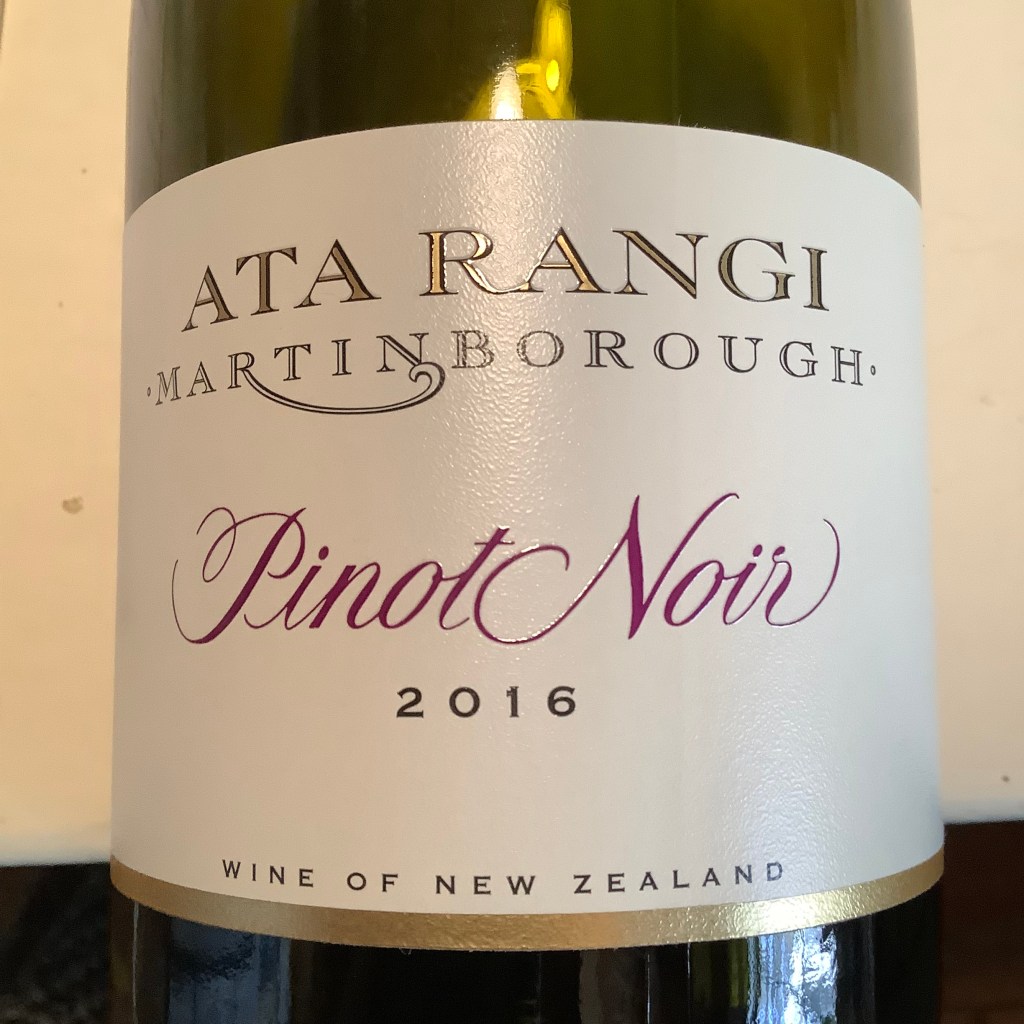
Tasting Notes: The color is a medium red. A nose of cherry gives hints of what is to come. On the palate, the cherry notes continue, joined by red fruits. Do not think that this describes a terribly fruity wine, as New World wines can be. This Pinot Noir was made by people who know what they are doing, so the wine is balanced and elegant. A Pinot Noir like this is the one you want to serve for a special dinner with a special someone.
Other Wines That Pair Well with Beef Tenderloin: Cabernet Sauvignon, Malbec (France or Argentina), Tempranillo
Other Foods that Pair Well with New Zealand Pinot Noir: roast chicken, duck confit, smoked salmon, game birds, mature cheddar cheese
Views of the Marlborough Region: https://www.winetourism.com/wine-region/marlborough/
A Source: www. klwines.com


 peterspicks